
Reviewer: Daya Ram Simkhada, Vocational Education Trainer and Researcher – Australia
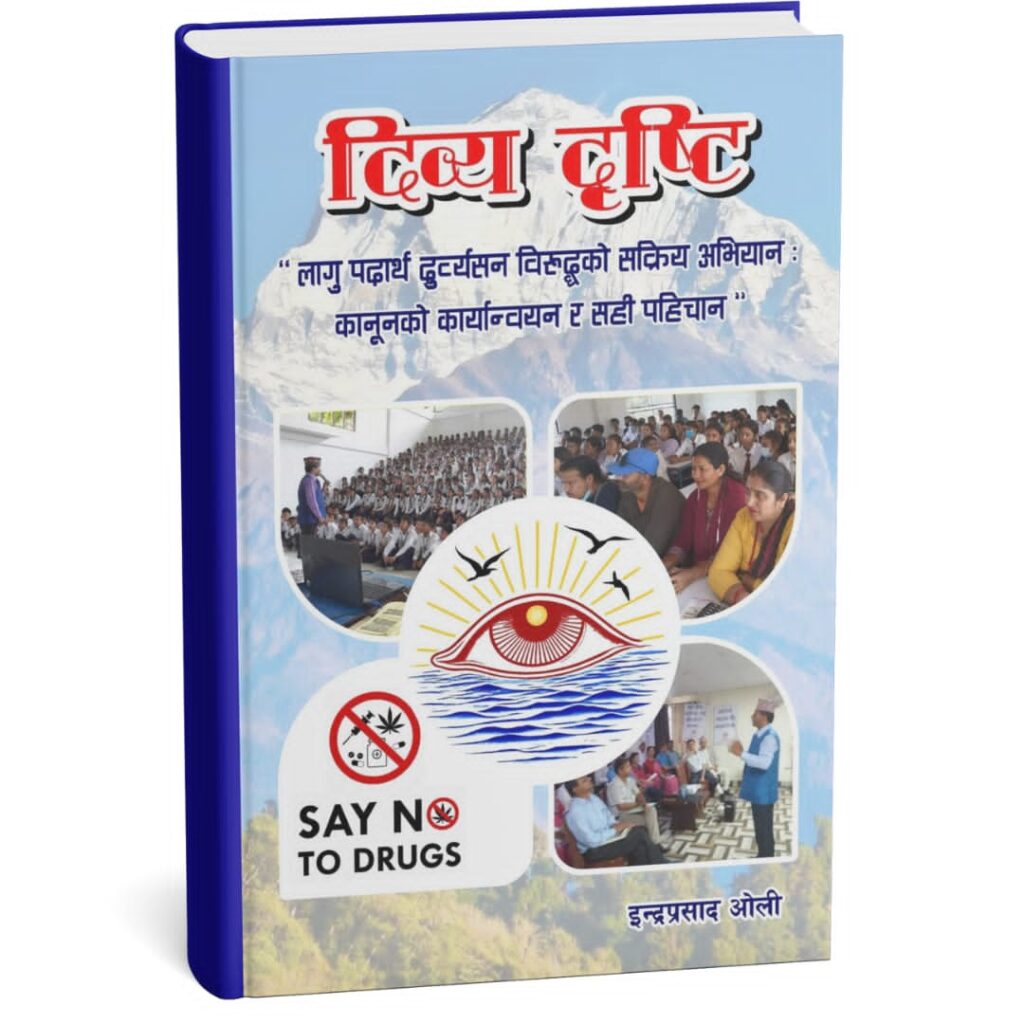
The book, Divya Drishti, written by Indra Prasad Oli, has made a significant contribution to Nepal’s literature on public health and social awareness by addressing the growing challenge of drug abuse in Nepal. Drawing on his extensive experience as a narcotics officer in the Nepal Police Force, Oli combines professional insight with real-life case studies to provide a compelling narrative that is both informative and actionable. The book highlights not only the types of drugs prevalent in Nepal but also the social, psychological and health effects associated with their use. It is especially important because it provides a practical framework for awareness, prevention, and recovery, making it a valuable resource for schools, community organizations, policymakers, and families.
Comprehensive coverage of drugs and their effects
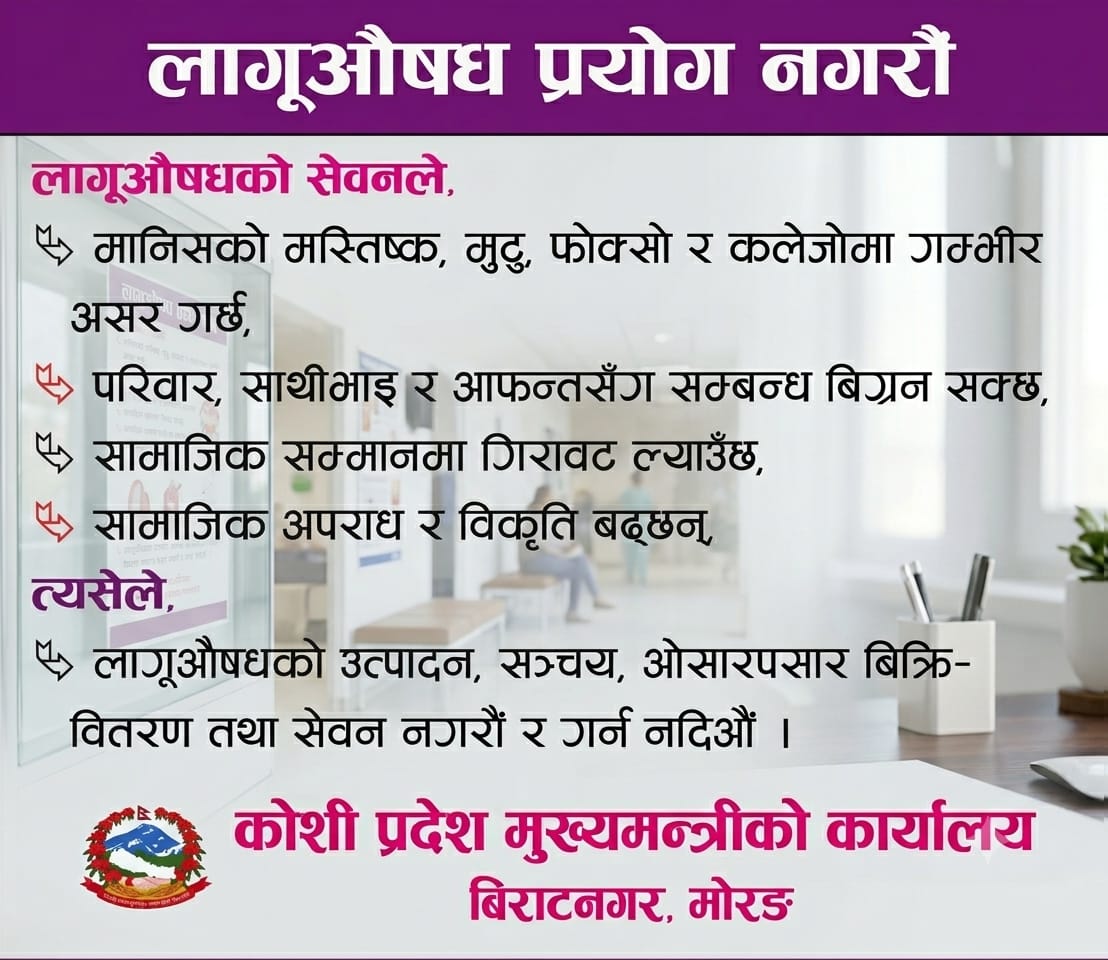
The book’s greatest strength is its detailed depiction of the drug landscape in Nepal. Oli systematically describes drugs, including the chemical composition of commonly used drugs, patterns of consumption, and the populations most affected. He includes many real domestic and international case studies in this book that provide readers with clear guidelines on the long-term health and social burden of drug addiction on individuals, families,s and society. The book explores the causes of drug abuse, from social pressure and peer influence to financial hardship and mental health challenges. By contextualizing drug use within a broader social and health framework, Oli enables readers to view addiction not just as a criminal issue, but as a complex social and public health problem. Furthermore, the symptoms, health challenges, and social consequences of drug abuse are clearly explored and documented. Readers gain insight into physical dependence, psychological distress, family disruption, and community-level impacts. By integrating scientific knowledge with true stories, the book succeeds in creating both awareness and empathy.
Urban transit hubs and drug trafficking
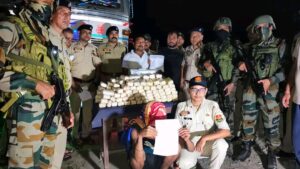
Another important aspect of the book is its exploration of Nepal’s major cities as emerging transit hubs for drug use and trafficking. In Nepal, many cities have emerged as major drug transit hubs due to their strategic locations, connectivity, and urban density. Kathmandu Valley, including Kathmandu, Lalitpur, and Bhaktapur, is the largest center for drug trafficking, smuggling, and consumption. Pokhara serves as a growing hub connecting western Nepal with India, while Biratnagar, near the eastern border, serves as a major entry point for imported drugs. Border towns like Bhairawa (Siddharthnagar) and Nepalgunj are also important for cross-border smuggling and internal transportation of drugs. These cities not only have high rates of trafficking but also high rates of drug use. This analysis not only highlights the geographic dimension of the drug problem but also reinforces the importance of community-level vigilance and preventive action. By illustrating the real case studies, the book provides readers with a wealth of knowledge that is important for both policy advocacy and grassroots action, making it a practical tool for law enforcement professionals, community leaders, and youth educators.
Integration of professional experience
Oli’s professional career background as a narcotics control senior police officer adds credibility and depth to the book. His first-hand experience enables him to provide an insider’s perspective on enforcement challenges, rehabilitation approaches, and policy gaps. These insights enrich the narrative, providing readers with not only information but practical guidance on how authorities and communities can work together to combat substance abuse.
The Practical Application
The most valuable aspect of Divya Drishti is its practical ability to create awareness of drug abuse and trafficking. Oli’s work can serve as a resource book for schools and community organizations to develop awareness programs, workshops, and prevention campaigns targeting children, adolescents, and young adults. The book provides a preventive and remedial framework with an emphasis on early awareness education, drug risk awareness, and structured recovery interventions to support young people’s well-being. Its combination of real case studies, data-driven insights, and actionable guidance makes it an essential reference for educators, social workers, and community activists.
Recommended areas for future improvement
While Divya Drishti is a very good practical book in drug awareness creation and control, I recommend expanding its recovery framework to include holistic medicine and wellness practices such as healthy dieting, relationship management, exercise, stress management, and enough sleep. By adding holistic medicine and mindfulness strategies in future editions, Divya Drishti can evolve into a comprehensive training manual for prevention, treatment, and community-based rehabilitation, bridging policy, practice, and personal empowerment.
In summary, Divya Drishti is a groundbreaking and highly practical book that can help to address one of Nepal’s most pressing societal challenges, drug abuse among children and young adults. In my personal experience, anyone involved in public health, education, policy makers, or community development in Nepal should read this book at least once. This book can be recommended as a resource book for schools, community organizations, and youth programs, providing frameworks for creating awareness, preventing drug abuse, and supporting recovery.
Finally, I am entirely confident that the book Divya Drishti by Indra Prasad Oli, a successful writer, social activist, journalist, and religious personality as well as president and Chief Trainer of Chetna Nepal and former National Servant (Police Sub-Inspector), will bring positive change in society. I express my thanks and appreciation for the continuation of your great social and literary work.