

KATHMANDU, MAY 31.


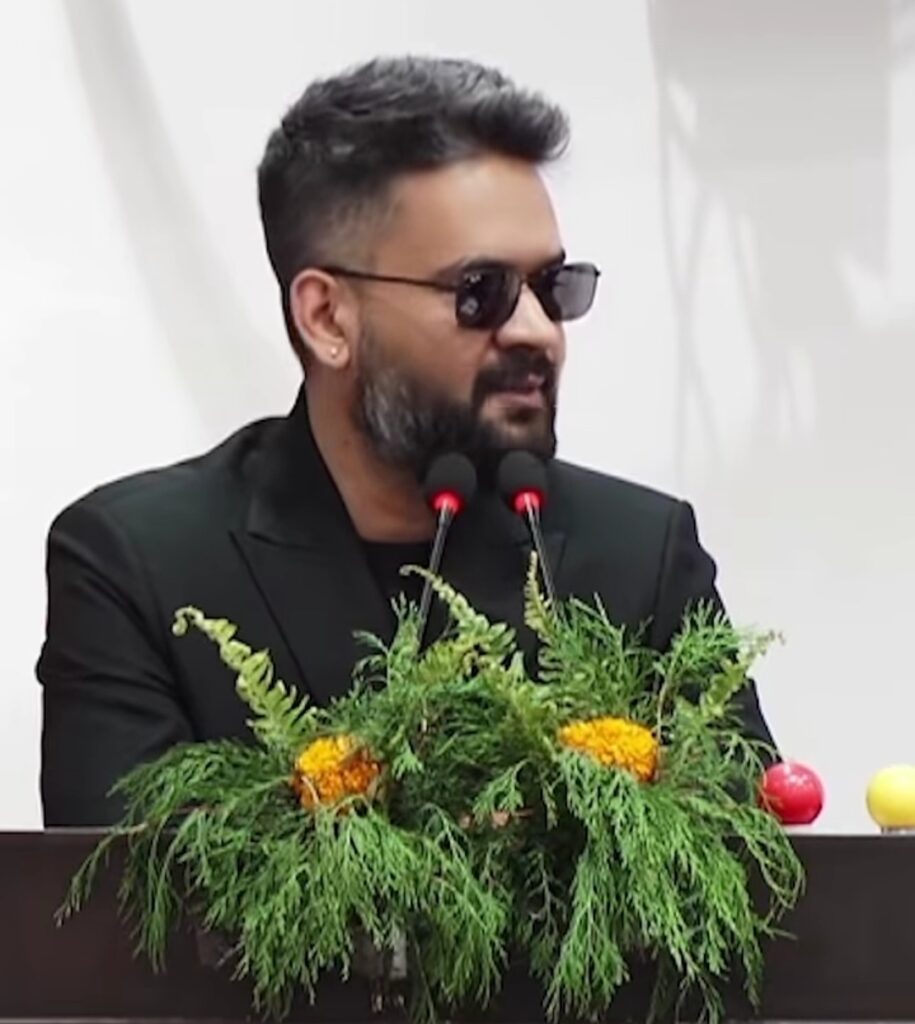
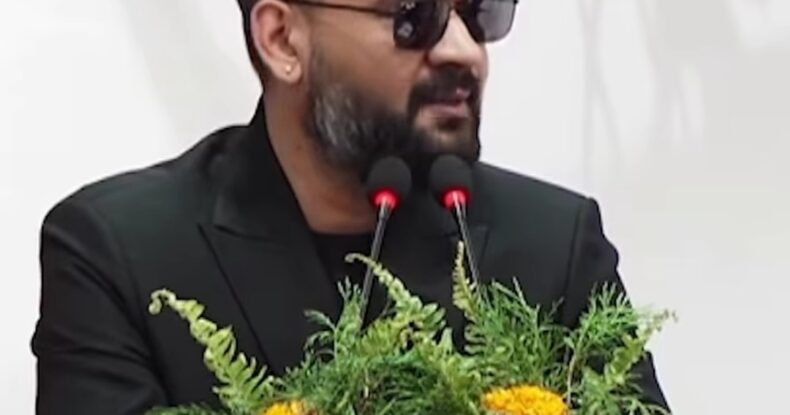
A major diplomatic and political controversy has erupted following a statement by Prime Minister Balendra (Balen) Shah in Parliament on Sunday regarding the long-standing boundary disputes between Nepal and India. Addressing the House, Prime Minister Shah disclosed that Kathmandu and New Delhi have exchanged formal diplomatic notes to resolve the boundary issues, adding that both nations have agreed to find a solution through bilateral dialogue. He further informed lawmakers that the two countries would seek the technical assistance of historians, surveyors, and boundary experts to settle the matter.
However, the Prime Minister’s remarks took an unexpected turn when he claimed that the territorial encroachment was not one-sided. Expressing surprise over findings he allegedly discovered only after assuming office, Shah asserted that it was not just India that had encroached upon Nepali land, but Nepal had also maintained similar claims or occupation over Indian territories in several places. He urged both nations to study historical facts meticulously and sit together to resolve the issue in the spirit of mutual friendship. Shah also contextualized the row by stating that the boundary dispute is not merely a contemporary issue between Kathmandu and New Delhi but possesses deep historical roots dating back to the British Raj. He noted that the government has dispatched diplomatic notes to both India and China and intends to sustain communication with the British government regarding historical maps.
While political analysts view Prime Minister Shah’s approach as a departure from Nepal’s conventional nationalist politics—which frequently adopts an anti-India posture for domestic leverage—his statement has drawn sharp criticism from within the country. The remarks have triggered a backlash on social media, with citizens labeling the claims baseless and misleading, while prominent border experts and former diplomats have swiftly refuted the Prime Minister’s assertions.
Nilamber Acharya, Nepal’s former Ambassador to India, stated that there is absolutely no official record or evidence suggesting that Nepal has occupied any Indian territory. Acharya clarified that nearly 97 percent of the boundary issues between the two neighbors have already been settled, and the remaining minor disputes persist primarily due to missing or damaged border pillars.
Corroborating this view, Deep Kumar Upadhyay, another former Nepali envoy to India, dismissed the Prime Minister’s claims as factually incorrect, reiterating that no official document or state archive supports the narrative of Nepal encroaching upon Indian soil. Meanwhile, renowned boundary expert and geographer Buddhi Narayan Shrestha strongly rejected the Prime Minister’s statement. Shrestha emphasized that Nepal has never extended its jurisdiction or occupied land across the border, adding that the traditional or customary usage of agricultural land by local residents in frontier areas cannot be misconstrued as state-sponsored diplomatic ‘occupation’.